


Telecommunications Infrastructure: Technical Components of a Modern 4G/5G Cell Tower
Modern telecommunications networks rely on thousands of strategically located cell towers to provide seamless voice, data, and internet services. Whether supporting 2G, 3G, 4G LTE, or 5G New Radio (NR) technologies, each telecommunications tower serves as a vital link between mobile users and the operator’s core network. These sites are carefully engineered to ensure reliable wireless coverage, high network capacity, and continuous operation under varying environmental conditions. A typical cell site consists of the tower structure, antenna systems, microwave transmission equipment, power systems, grounding facilities, security installations, and supporting infrastructure. Together, these components enable billions of mobile devices to communicate efficiently across cities, rural areas, highways, and industrial zones.
1. The Superstructure
The most visible part of a cellular site is the tower superstructure, which supports all radio equipment at the required height.
Lattice Tower
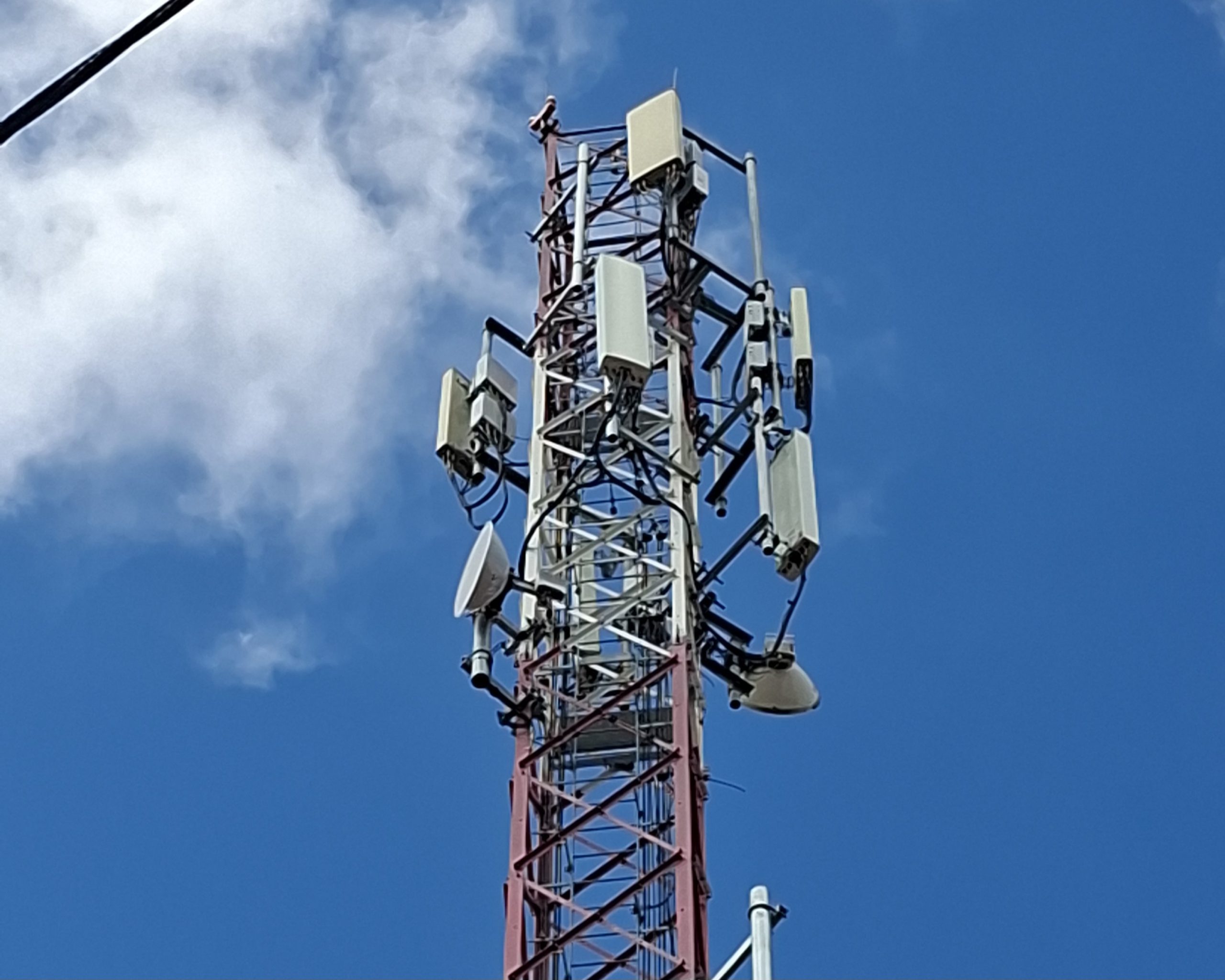
A lattice tower is one of the most common tower designs used in telecommunications. It is constructed from interconnected steel members arranged in a triangular or square framework. This crisscross structure provides exceptional mechanical strength while minimizing the amount of steel required.
Unlike a solid monopole, a lattice tower allows wind to pass through its open framework, significantly reducing wind loading. This characteristic makes lattice towers suitable for heights exceeding 50 meters and for regions experiencing strong winds or storms. The design also provides multiple mounting locations for antennas, microwave dishes, and other equipment, making it ideal for multi-operator installations.
Mast Section
The mast is the vertical portion of the tower that supports the combined weight of all mounted equipment, including antennas, microwave dishes, feeders, and lighting systems. It is designed to withstand both static loads, such as equipment weight, and dynamic forces caused by wind, seismic activity, and thermal expansion. Proper load distribution ensures the long-term structural integrity of the tower.
Platforms and Catwalks
Platforms or catwalks are installed at various heights to provide safe working areas for technicians during installation, maintenance, and inspections. These platforms reduce the risks associated with working at high elevations and provide convenient access to antenna systems and transmission equipment. Guardrails, anti-slip surfaces, and safety anchor points further enhance technician safety.
2. Antenna Systems
The antenna system is the primary component responsible for transmitting and receiving radio frequency (RF) signals.
Sector Antennas
Sector antennas are the tall, rectangular panels mounted near the top of the tower. They provide radio coverage to mobile devices within specific geographical sectors.
Most cellular towers divide coverage into three sectors, each covering approximately 120 degrees, although some sites use six sectors of 60 degrees for higher capacity. Sectorization reduces interference while increasing frequency reuse and network efficiency.
Modern sector antennas support multiple technologies simultaneously, including:
- GSM
- UMTS
- LTE
- LTE-Advanced
- 5G NR
They also incorporate technologies such as Multiple Input Multiple Output (MIMO), beamforming, and carrier aggregation to improve capacity and coverage.
Microwave Dish Antennas
Large circular microwave dishes provide backhaul communication, carrying traffic between the cell site and the operator’s transport network.
Instead of using buried fiber-optic cables, microwave radios transmit digital data over highly directional radio links operating in licensed frequency bands such as 6 GHz, 11 GHz, 18 GHz, 23 GHz, and higher.
These microwave links function as the wireless equivalent of high-capacity internet cables. They transport voice calls, internet traffic, signaling information, and synchronization data between neighboring towers and the network core. In remote locations where fiber installation is impractical or expensive, microwave backhaul provides a reliable and cost-effective solution.
Antenna Array Systems
Modern 4G LTE and 5G networks frequently employ advanced antenna array systems consisting of multiple radiating elements arranged in precise configurations.
These arrays support technologies such as:
- Massive MIMO
- Electronic beamforming
- Beam steering
- Spatial multiplexing
Instead of broadcasting energy uniformly in all directions, beamforming concentrates radio energy toward active users, increasing signal strength while reducing interference. Massive MIMO further improves spectral efficiency by allowing simultaneous communication with multiple users using the same frequency resources.
3. Safety and Protection Systems
Telecommunication towers are exposed to harsh environmental conditions and therefore require comprehensive safety and protection measures.
Lightning Rod (Air Terminal)
Because towers are among the tallest structures in an area, they are highly susceptible to lightning strikes. A lightning rod installed at the top intercepts lightning and directs the electrical discharge safely into the grounding system.
Without effective lightning protection, sensitive electronic equipment such as radios, power amplifiers, and baseband units could suffer catastrophic damage.
Obstruction Lights
Red aviation obstruction lights are mounted near the top of tall towers to warn aircraft pilots of potential hazards during nighttime or periods of poor visibility.
These lights comply with civil aviation regulations and are typically monitored remotely to ensure continuous operation.
Safety Climb System
Tower technicians work at considerable heights, making fall protection essential. Safety climb systems consist of vertical rails or steel cables attached to the tower ladder.
Technicians connect their full-body safety harnesses to this system, preventing falls while allowing controlled movement during climbing and maintenance activities.
Additional safety equipment includes helmets, lanyards, positioning devices, and rescue systems.
4. Ground Infrastructure
Although antennas receive most attention, much of the site’s critical equipment is located at ground level.
Equipment Shelters
Equipment shelters house the electronic systems responsible for processing mobile communication signals.
Typical equipment includes:
- Baseband Units (BBUs)
- Base Transceiver Stations (BTS)
- Power distribution systems
- Air-conditioning units
- Environmental monitoring systems
- Network switches
- Optical transmission equipment
These shelters maintain controlled temperature and humidity conditions to ensure reliable equipment operation.
Battery Rooms
Reliable electrical power is essential because cellular networks must operate continuously.
Battery rooms contain large banks of maintenance-free batteries that provide backup power during utility failures.
Most sites also include diesel generators capable of supplying electricity for many hours or even days during extended outages.
Modern sites automatically switch between utility power, batteries, and generators without interrupting communication services.
Transmission Feed Lines
Transmission feed lines carry radio frequency signals between ground equipment and antennas.
Traditional systems used low-loss coaxial cables, while modern installations increasingly use fiber-optic cables combined with Remote Radio Units (RRUs) or Active Antenna Units (AAUs).
Fiber optics significantly reduce transmission losses while supporting higher bandwidth and improved radio performance.
Security Infrastructure
Telecommunication sites contain valuable equipment worth hundreds of thousands of dollars.
To protect these assets, several security measures are implemented.
Concrete Perimeter Walls
Concrete walls provide physical protection against unauthorized access, vandalism, and accidental damage.
Security Fencing
Galvanized steel fencing surrounds the site and often includes barbed wire or razor wire for enhanced security.
Access is controlled through locked gates, electronic access systems, and surveillance cameras.
Surveillance Systems
Many operators install CCTV cameras to monitor:
- Equipment shelters
- Tower access
- Fuel tanks
- Perimeter fencing
Remote monitoring enables rapid response to security incidents.
Grounding System
An effective grounding system is one of the most important safety features of any telecommunications site.
Grounding Grid
A grounding grid consists of interconnected copper conductors buried beneath the site.
The grid provides a low-resistance path for electrical currents generated by:
- Lightning strikes
- Electrical faults
- Static electricity
- Surge events
Proper grounding protects personnel, minimizes equipment damage, and ensures electrical safety.
Grounding systems are connected to:
- Tower structure
- Equipment racks
- Antennas
- Microwave dishes
- Power systems
- Lightning protection devices
Regular resistance testing ensures the grounding system remains effective throughout the site’s operational life.
Cell Site Operation
A telecommunications tower functions as a complete wireless communication station.
The communication process follows several stages.
First, data from the operator’s core network arrives at the site through fiber-optic cables or microwave backhaul links.
The transmission equipment forwards this data to the baseband processing units, where voice, video, and internet traffic are processed.
The processed digital information is transmitted to the radio equipment, which converts it into radio frequency signals.
Power amplifiers increase the RF signal strength before sending it to the sector antennas.
The antennas then broadcast the signals across their designated coverage areas, allowing smartphones, tablets, wireless routers, and IoT devices to connect to the network.
When a user transmits data, the process occurs in reverse. The antenna receives the radio signal, the radio equipment converts it into digital form, and the processed information is transported back through the microwave or fiber network to the operator’s core infrastructure.
Modern Technologies Used on Cell Towers
Today’s telecommunications sites incorporate numerous advanced technologies to maximize performance.
Massive MIMO uses dozens of transmitting and receiving antennas to communicate simultaneously with multiple users.
Beamforming directs radio energy toward individual users, improving signal quality and reducing interference.
Carrier Aggregation combines multiple frequency bands to provide higher download and upload speeds.
Voice over LTE (VoLTE) enables high-definition voice calls over packet-switched LTE networks.
Open Radio Access Network (Open RAN) introduces open interfaces between hardware and software, enabling interoperability between equipment from different vendors.
Active Antenna Units (AAUs) integrate antennas, radios, power amplifiers, and RF processing into a single unit, reducing cable losses and simplifying installation.
These technologies are fundamental to supporting the increasing demand for high-speed mobile broadband and low-latency applications.
Importance of Telecommunications Towers
Telecommunications towers play a vital role in modern society by enabling:
- Mobile voice communication
- High-speed internet access
- Emergency services communication
- Financial transactions
- Remote education
- Telemedicine
- Industrial automation
- Smart city infrastructure
- Internet of Things (IoT) connectivity
As the number of connected devices continues to grow, the importance of reliable and efficient cellular infrastructure becomes even greater.
Conclusion
A modern telecommunications tower is far more than a steel structure supporting antennas. It is a sophisticated communication facility integrating structural engineering, radio frequency technology, optical transmission, electrical power systems, safety equipment, and advanced networking technologies. The lattice tower provides mechanical support, while sector antennas deliver wireless coverage and microwave dishes provide high-capacity backhaul connectivity. Ground infrastructure—including equipment shelters, battery systems, transmission feed lines, and grounding grids—ensures reliable and uninterrupted operation. Safety systems such as lightning rods, obstruction lights, and climbing protection safeguard both equipment and personnel. Together, these components form a fully functional cell site, receiving data from the core network, processing it through advanced radio equipment, and delivering seamless wireless connectivity to millions of users. As telecommunications continues to evolve with 5G, Massive MIMO, Open RAN, and future 6G technologies, these sites will remain the foundation of global digital communication and connectivity.